
Space scienceOn July 31, Mars will approach the closest point in its orbit with the Earth at that time, Mars will look bigger and brighter in the sky, very visible to the naked eye.
December 17, 2018
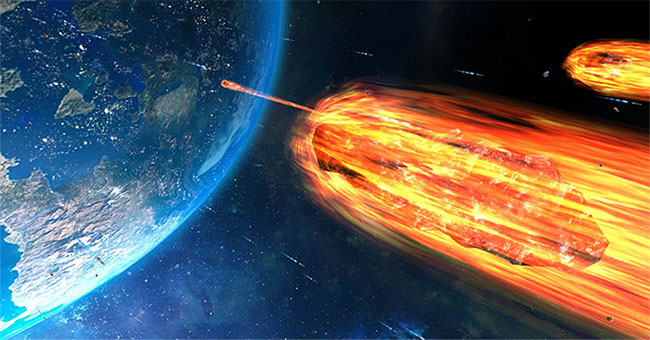
Space scienceWithin the next decade, the US Space and Aeronautics Agency intends to design and test a variety of options to destroy or divert a meteorite as it plunges towards the gl…
December 17, 2018
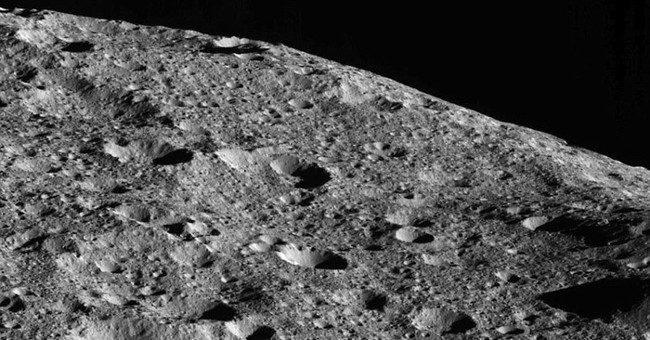
Space scienceDawn is a robot spacecraft launched by NASA to explore the two largest dwarf planets in the asteroid belt, Vesta and Ceres.
December 17, 2018

Space sciencePeople may suffer great impacts such as loss of consciousness, radiation poisoning or burning.
December 17, 2018

Space scienceIn 1798, physicist Henry Cavendish (United Kingdom) became the first person in the world to calculate the exact mass of Earth.
December 17, 2018
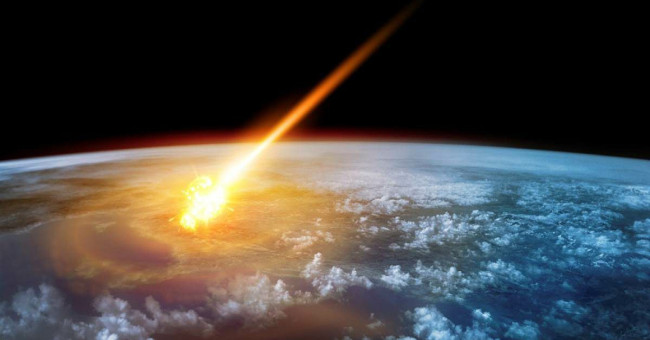
Space scienceDaniel Bamberger, Northolt Branch Observatory, London, England, said the 2010 WC9 asteroid was discovered in November 2010 but did not see it since December 2010.
December 17, 2018
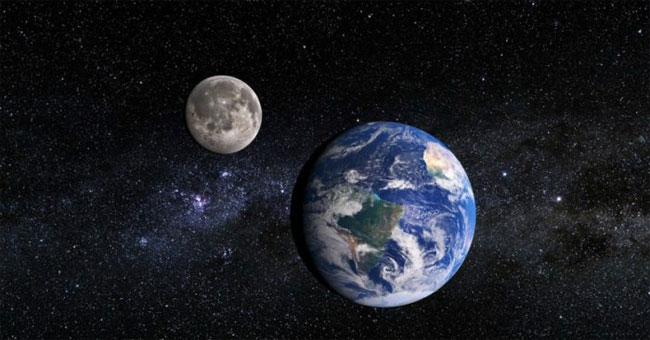
Space scienceThe Moon will shatter before falling to Earth, leaving hundreds of thousands of meteorites pouring down on the planet and tsunami thousands of meters high.
December 17, 2018
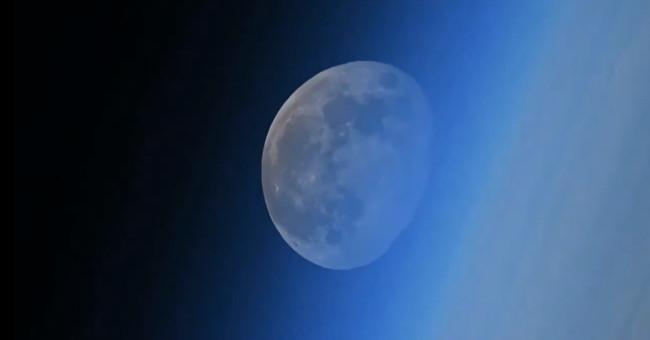
Space scienceRussian astronaut Oleg Artemyev recorded the scene of the Moon setting during his work on the International Space Station (ISS).
December 17, 2018
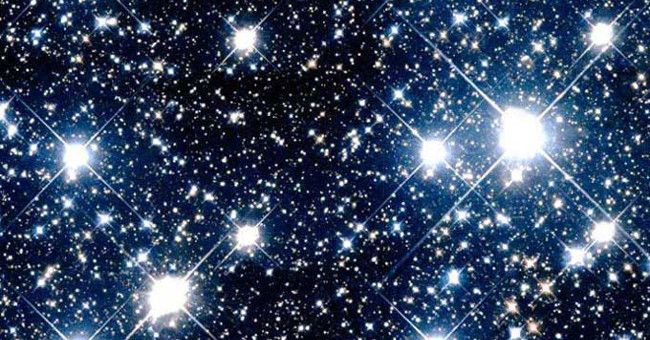
Space scienceWhat causes the stars to sparkle? Is the light from the planets?
December 17, 2018
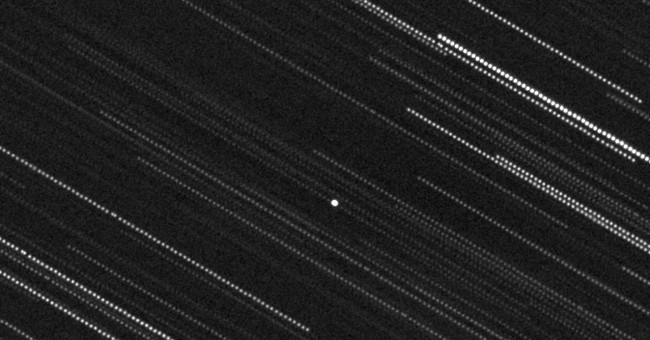
Space scienceThe 2018 GE3 asteroid approached Earth just less than a day after it was discovered.
December 17, 2018
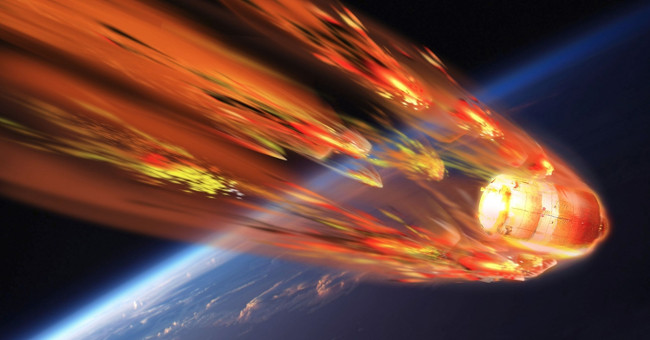
Space scienceAlthough China's Thien Cung 1 space station will fall out of control to the Earth, the possibility of a station injuring people when landing very small, according to New…
December 17, 2018
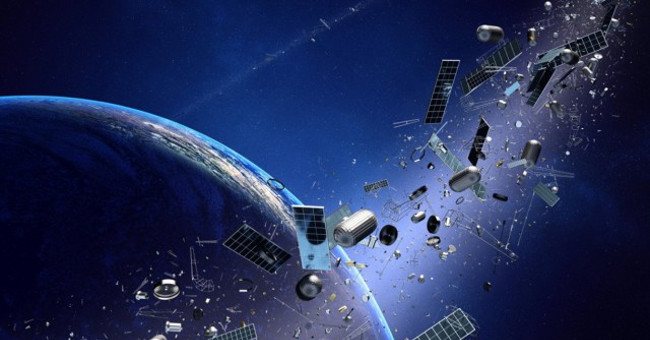
Space scienceBringing waste on Earth to outer space will threaten space stations and spacecraft, as well as the risk of adversely affecting the Earth.
December 17, 2018
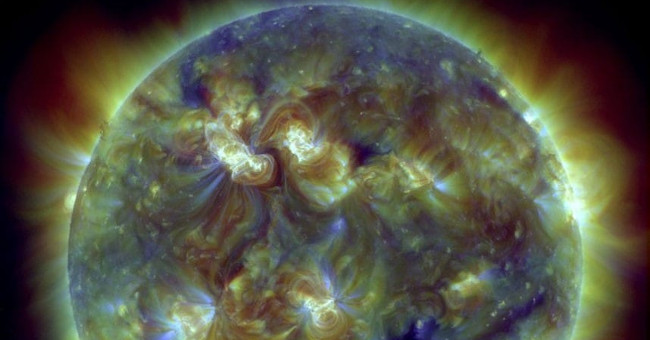
Space scienceAn electromagnetic storm will reach Earth on March 14-15, 2018, as predicted by the US National Oceanic and Atmospheric Administration (NOAA).
December 17, 2018
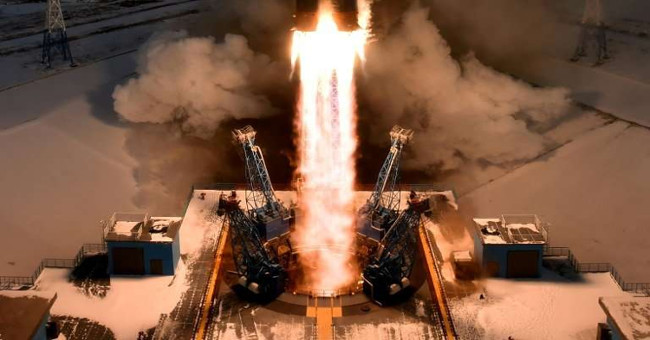
Space scienceThe Russian space agency Roscosmos said on February 1 it successfully launched 11 satellites from Vostochny space airport.
December 17, 2018
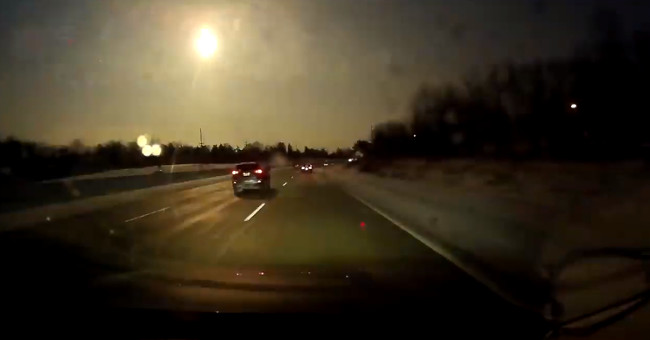
Space scienceWhen meteorites plunged down, many people saw bright light shining in the sky with a loud sound and the earth shaking.
December 17, 2018